By: Pam Cox, RN When a drug is stolen from a nursing home it is usually an employee who is responsible. This occurs when policy and procedures for the administration, storage, and medication destruction procedures are not followed. Some of the drugs most commonly involved are painkillers like Oxycodone and Fentanyl. These drugs can be […]

Drug Testing Articles
How Long Does Cold Medicine Stay in Your System?
The common cold can cause more than just uncomfortable symptoms such as a runny nose, [...]
Continue reading
09
Oct
Oct
Uncategorized
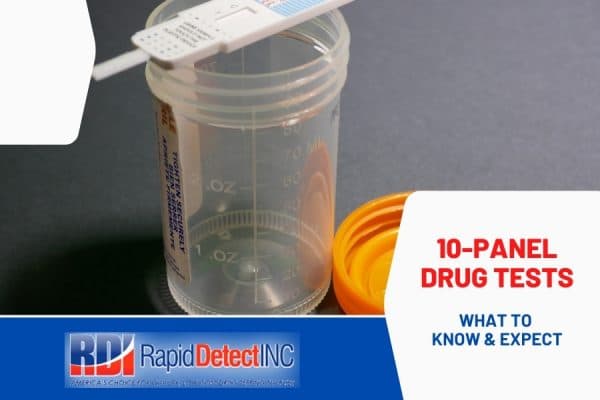
10 Panel Drug Tests: What Employers and Employees Should Expect
What is a 10-Panel Drug Test? Less common than other drug tests, the 10-panel drug [...]
Continue reading
26
Aug
Aug
Uncategorized
What is Specimen Validity Testing & Why Is It Important to Your Business
The most common specimen collected for drugs of abuse screening is urine since, in general, [...]
Continue reading
Drug Testing Articles
THC Drug Test: An Overview
As certain cannabis and hemp products become legalized, confusion over terminology grows increasingly prevalent. Questions [...]
Continue reading
18
Mar
Mar

News
Understanding the COVID-19 IgM/IgG Antibody Rapid Test
As of February 2021, over 1 million daily COVID tests are still conducted in the [...]
Continue reading
05
Mar
Mar
By: Pam Cox, RN As America’s choice for quality, low cost drug testing supplies, we know that testing of employees is vital. But it is only one strategy for dealing with drug abuse in the workplace. Comprehensive drug abuse prevention strategies, when followed in a constant and diligent manner, not only address safety issues but […]
Comparisons at a glance

26
Jun
Jun
Urine Adulteration is an issue that you cannot ignore. Adulteration is the intentional tampering with a urine sample by the donor to avoid detection of illicit drug use. Successful adulteration produces a false-negative drug test result. The validity of any drug test depends on the integrity of the urine sample. There is absolutely no need […]
When urine drug testing first started, decades ago, the National Institute on Drug Abuse (NIDA) required that companies who use professional drivers, specified safety sensitive transportation and/or oil and gas related occupations, and certain federal employers be tested for the presence of 5 basic drugs” Cannabinoids (Marijuana), Cocaine, Amphetamine, Opiate and Phencyclidine (PCP). Since that […]
Why use an Integrated Test Cup? A drug test cup was invented to provide an integrated testing method that would reduce contact with the urine specimen and decrease testing time with less mess and fewer components to handle. A drug test cup is simply a test kit in a urine collection cup that initiates the […]
CLIA stands for “Clinical Laboratory Improvement Amendments“. Congress passed the Clinical Laboratory Improvement Amendments (CLIA) in 1988 establishing quality standards for all laboratory testing to ensure the accuracy, reliability, and timeliness of patient test results regardless of where the test was performed. CLIA Waived test kits must be proven “accurate” and “easy to perform”, as […]

12
Jun
Jun
United States Department of Labor – elaws Drug-Free Workplace Adviser Developing a Policy Statement The Policy Builder has 13 different sections, each addressing one of the questions listed below. What is the purpose/goal of your policy? Who will be covered by your policy? When will your policy apply? What behavior will be prohibited? Will employees […]
Drug Testing: A Powerful Force in the War on Drugs In the mid-1990’s, almost overnight it became fashionable to talk of testing millions of people at work for both alcohol and drugs. 15 years ago the idea seemed so extreme that the government cuts it out of the White Paper altogether – with small concessions […]
Although there is no official training required to administer the tests, procedure cards are provided as well as, instructional videos, drug test interpretation quizzes and certificates of completion free of charge.